
Amazon Didn’t Die. It Became Insufficient.
Field Notes from Prosper Show 2026
 By Max Hauer
The amateur era is officially over
You didn’t need a session to see it at The Wynn last week. You could hear it in the first few conversations.
The early-stage energy is mostly gone. The crowd at Prosper has aged up, replaced by supply chain operators, retail media buyers, and executives managing eight- and nine-figure P&Ls. The conversations I kept having weren’t about hacking the A9 algorithm or finding a viral product. They were about AMC attribution modeling, absorbing supply chain tariffs, and trying to untangle fractured inventory across three different fulfillment networks.
Sellers are hitting a hard revenue ceiling on Amazon
If you stood near the coffee stations long enough, you heard the exact same scenario play out repeatedly: a seller hitting a hard revenue ceiling on Amazon, bleeding margin to rising ad costs, and trying to figure out how to fund the inventory required to open up TikTok Shop without breaking their 3PL. That ceiling is dictating every move right now. Everyone is feeling the exact same pressure. Margins are compressing, capital is expensive, and the operational complexity of running a brand just multiplied.
Rival marketplaces are hunting the margin squeeze
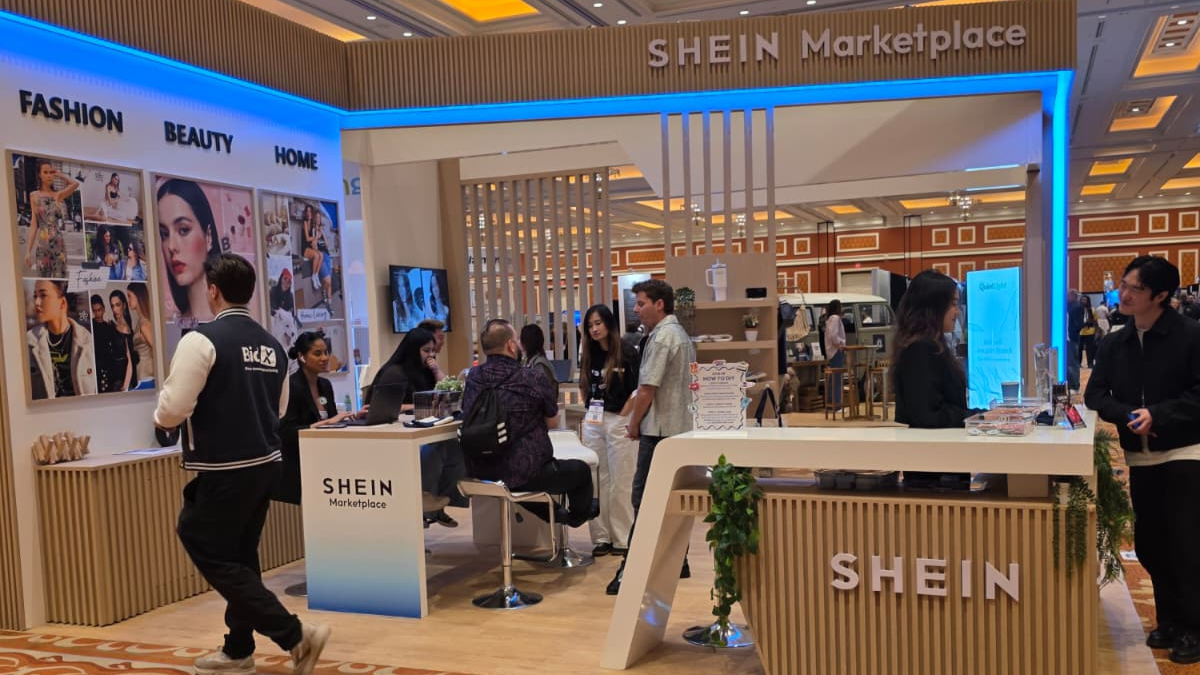
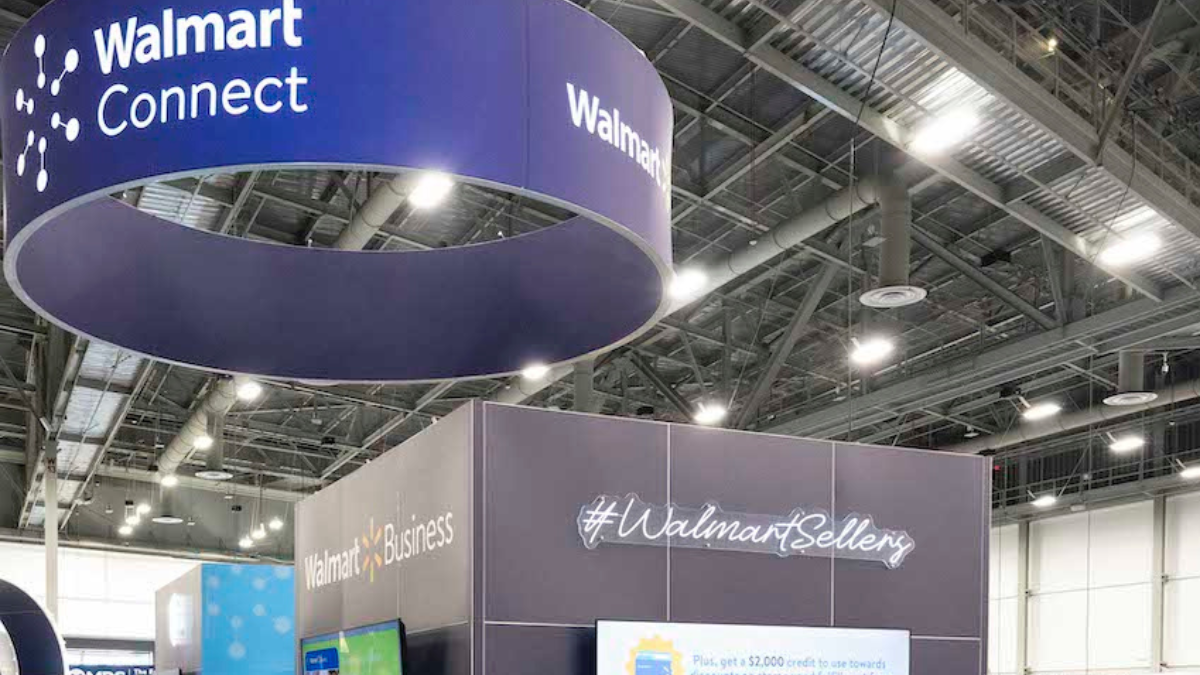
 Looking at who bought the largest booth footprints told you everything you needed to know about where the industry is pointing. Amazon was there, of course, but their presence felt almost defensive compared to the aggressive posturing of the alternatives. Walmart Marketplace, TikTok Shop, and SHEIN took up massive real estate, and they weren’t just educating, they were actively hunting Amazon’s top sellers. They know operators are feeling the pinch of rising FBA fees and TACoS, and they are pitching themselves as the pressure release valve. Surrounding them was an ocean of ad-tech vendors pushing full-funnel DSP and AMC integrations, a clear signal that simple keyword bidding is becoming commoditized.
You can’t automate a system that isn’t connected
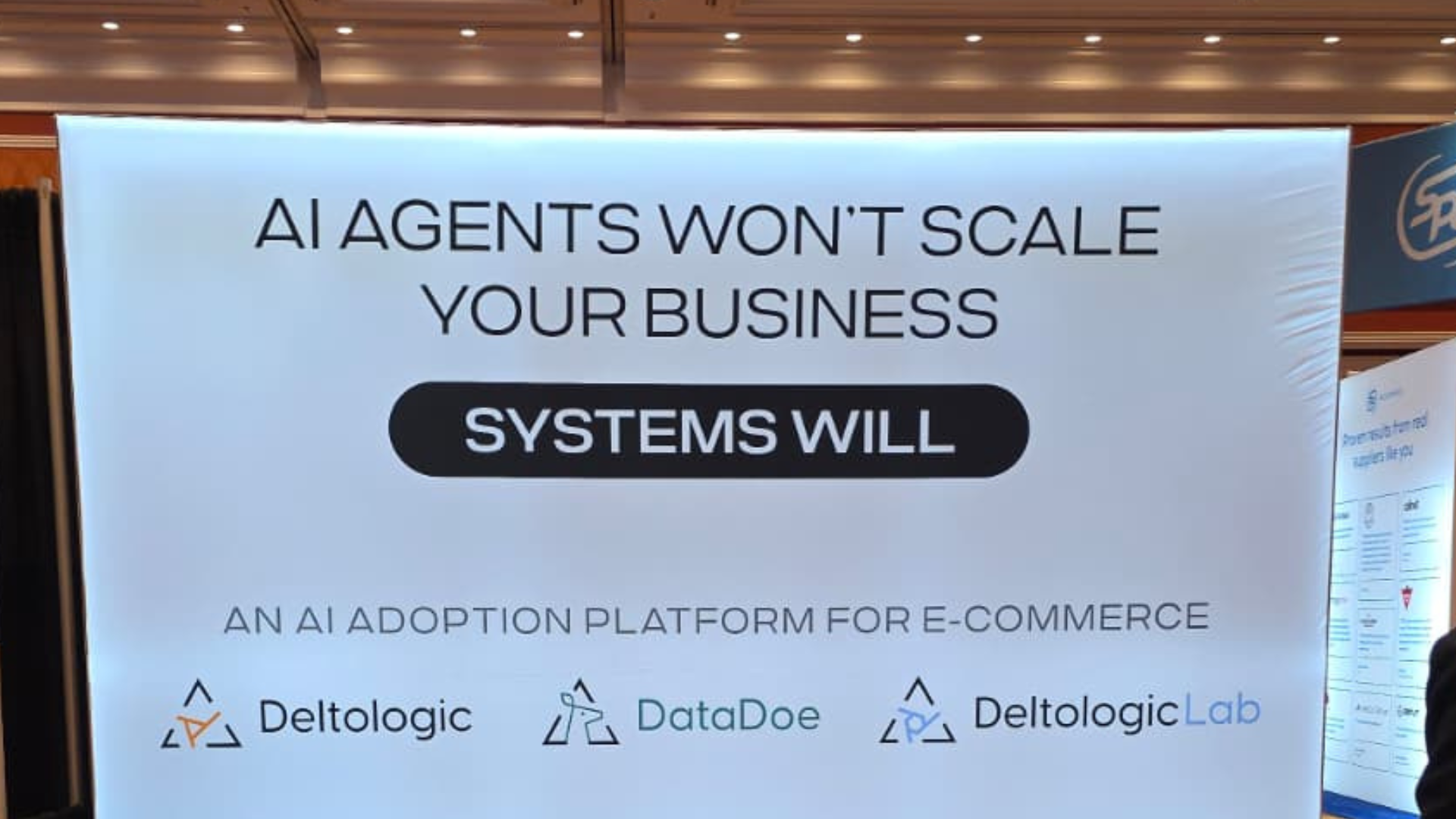
AI was everywhere, but the pitch has evolved. We're past tools that just write better bullet points. The heavy hitters on the floor were selling agentic catalog management and system-level decision engines. They are moving up the stack, promising to autonomously restructure your backend data for conversational search or dynamically manage your pricing curves.
But there is a glaring tension between the AI promise on the floor and the operational reality in the warehouse. Most operators are still running highly fragmented tech stacks. They have one system for Amazon, a separate 3PL portal, a duct-taped Shopify integration, and spreadsheets managing their freight. AI cannot fix a disconnected system. It’s easy to automate a task. It’s much harder to automate a business. If your inventory and financial data live in silos, dropping an AI agent on top of it just accelerates the chaos. The foundation has to be centralized first.
Multichannel expansion is a forced defensive maneuver
This ties directly into the biggest disconnect at the show: the gap between what was pitched on the main stages and what operators were actually dealing with in the weeds. The official programming leaned heavily into "seamless multichannel expansion" as the ultimate growth lever. The narrative is that you just plug into TikTok Shop or Walmart and watch your top-line revenue climb.
 Talk to anyone actually executing this, and they will tell you there is nothing seamless about it. Sellers aren't moving off Amazon out of raw ambition; they are doing it as a forced defensive maneuver. When you actually spin up these secondary channels, you immediately hit a wall of operational friction. You are suddenly managing entirely different ad algorithms, dealing with distinct customer demographics, and worst of all, trying to route orders from Shopify, TikTok, and Walmart through MCF, a hybrid 3PL, and your own warehouse. Your tech stack splinters. Your cash flow gets trapped in misallocated safety stock because you’re trying to feed three different algorithms from three different physical locations.
Expanding beyond Amazon breaks legacy operations
 That’s the tension in the system right now. Amazon didn’t die. It’s still the heaviest anchor in the room and the primary revenue driver for almost everyone at the conference. But it became insufficient. It is no longer enough on its own to sustain a healthy, scalable P&L with these new cost structures. You have to diversify to protect your margins, but the act of diversifying introduces a level of physical and systemic complexity that breaks legacy operations.
The edge has moved from the front end to the back end
The operators who are going to win the next 36 months are the ones who stop treating supply chain and system architecture as an afterthought. Marketing and clever ad buying can no longer save a broken operation. The competitive edge has moved from the front end to the back end. It’s about centralizing your nervous system, running a single, unified inventory pool that dynamically routes SKUs to whichever platform the customer decides to buy from today, without trapping your cash in the process.
The hard part now isn’t finding demand. It’s holding the system together as you expand to meet it.